
Cleveland Unclaimed Money Records
Cleveland residents searching for unclaimed money should start with the city finance office, then check Bradley County records and the Tennessee state claim system. Cleveland sits in Bradley County, so the same owner name can show up in city, county, and state records at different times. A careful search keeps the offices straight, uses the right old address, and checks whether the item began as a city payment, a county tax record, or a state-held balance that came from an older local account.
Cleveland Quick Facts
Cleveland Unclaimed Money Search
The City of Cleveland finance office is the first local place to check when a Cleveland unclaimed money search starts with city operations. The city site at clevelandtn.gov identifies the city finance side as the place that handles municipal operations. The Tennessee Uniform Unclaimed Property Act applies here, so city records can move into the state system once a balance becomes dormant or is turned over for claim.
Cleveland has a useful example in the research. In 2024, the city received $63,000 in unclaimed property back from the state, which shows that municipal money can move through the Tennessee system and later come back to the city side. That makes the finance office more than a billing stop. It is part of the full record trail for city-held money, especially when older payments, refunds, or deposits were never claimed in time.
The city finance trail is also important because Cleveland handles property taxes and utility deposits through local operations. If the item started as a city payment, the finance office is the best place to confirm the source before the claim packet is built. That keeps a city refund from being mixed up with a county tax balance.
Keep the search exact. Use the old name, the old address, and any account or parcel detail that points to the right file. Small changes can hide a real match, especially when the record moved from a local office to the state database years ago.
See the Cleveland city home page at clevelandtn.gov for the official municipal source used in this build.
The Tennessee Treasury portal at treasury.tn.gov/Unclaimed-Property is the state search source used alongside the Cleveland page.
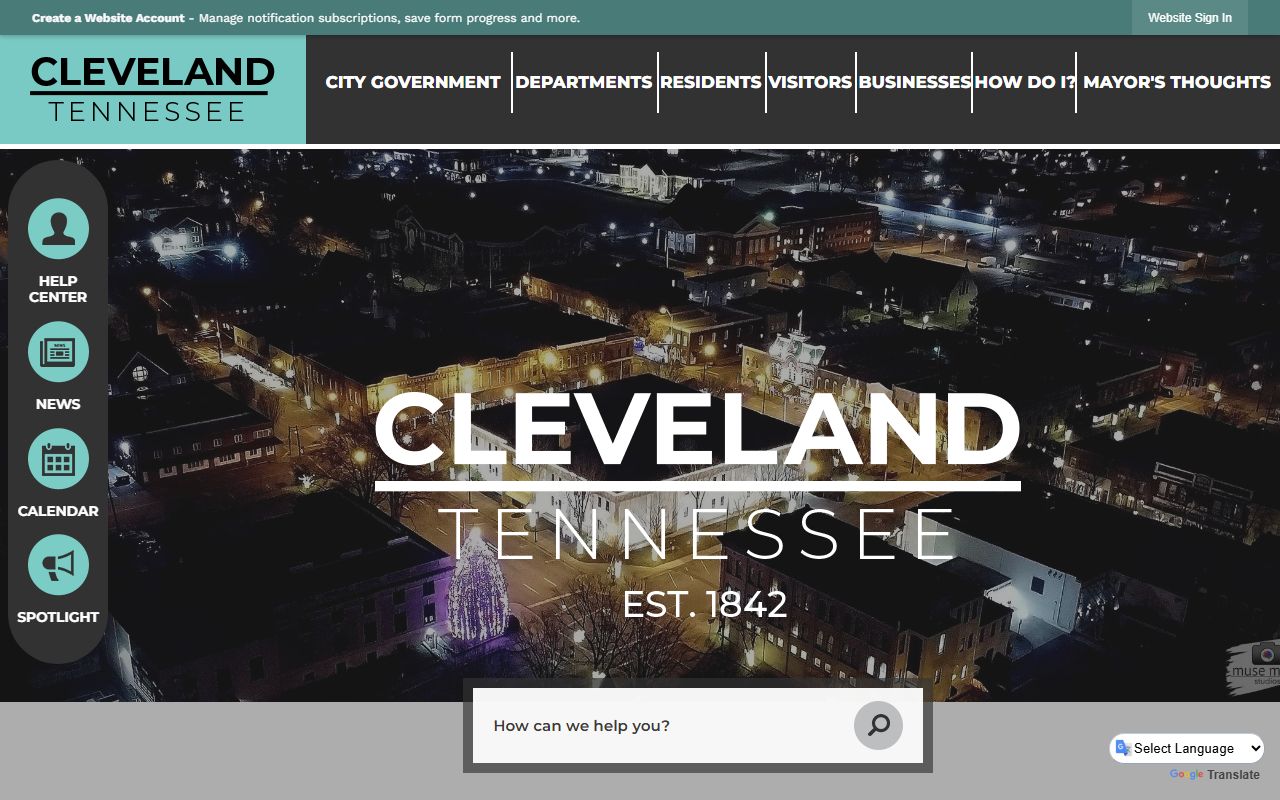
That local image strengthens the page because it points directly to the city government source. It is the best visual match for Cleveland unclaimed money work in this build.
Cleveland Unclaimed Money Records
Bradley County is the other place Cleveland residents should check. The county government at bradleycountytn.gov matters because the county clerk handles property records and the county trustee handles property tax collection. Those offices can hold the paper trail that explains a city payment, a tax item, or a record tied to a former owner. A county search is often the missing step when the city page alone does not explain the full trail.
Bradley County records are useful because a tax record can carry the address, parcel, or ownership history that a city finance search does not show. If the Cleveland record began with property tax work, the county trustee may be the office that knows where the money went first. If the record began with a county filing, the clerk may have the source document that proves the match. That is why the city and county should be read together.
The search is also practical. Local records can show whether the item was a tax balance, a payment credit, or a utility deposit. If the old file fits the county side, the city side may only have part of the story. A claim is stronger when both sides agree on the same owner and the same old address.
| City Finance |
City of Cleveland finance operations Handles municipal money and unclaimed funds |
|---|---|
| County Clerk |
Bradley County Clerk Property records and local filings |
| County Trustee |
Bradley County Trustee Property tax collection and payment trail |
City and county files can overlap, but they should not be treated as the same record. Cleveland unclaimed money often becomes easier to trace once the office trail is split the right way.
Note: Cleveland and Bradley County records can overlap, so keep the source office clear before the claim is filed.
- Check the city finance trail first.
- Compare county clerk and trustee records.
- Use older addresses and parcel details.
- Save the state result with the local files.
Cleveland Unclaimed Money Rules
The Tennessee Uniform Unclaimed Property Act gives the legal frame for Cleveland searches. The notice rule in T.C.A. § 66-29-130 is one reason the state keeps a searchable database. It lets Cleveland residents check the record without paying a fee and then compare the result with city and county files before they file a claim.
If a claim is denied, T.C.A. § 66-29-155 gives a one-year appeal path in the proper chancery court. That means the source office matters early. The city file, county file, and state result should all point to the same owner before a packet is sent.
The state claim portal at ClaimItTN is the best place to check first when the local office has not yet shown the item. Once the state result is known, the city finance trail and Bradley County records can be used to build the proof behind it.
Cleveland’s 2024 return of $63,000 in unclaimed property shows that the local and state systems do work together. That is useful context, because it confirms that city money can move through the state process and later become part of a claim or a return.
Note: Claim searches are free in Tennessee, but Cleveland claim packets still need enough proof to connect the person, the money, and the right office.
Search Cleveland Unclaimed Money
The safest Cleveland search starts with the Tennessee Treasury, then compares the result with Cleveland finance records and Bradley County records. That order keeps the city and county offices straight and gives the claimant the best shot at finding the right owner trail. Cleveland unclaimed money is easier to finish when the source office is identified early.
If the city result and the county result point to the same owner, the claim packet gets stronger. If they point to different sources, the search should split and follow the office that actually held the money first.