
Search Lake County Unclaimed Money
Lake County unclaimed money searches work best when you start with the Tennessee Treasury and then use local records from Tiptonville to tighten the match. The county trustee and county clerk keep different pieces of the paper trail, so one office may show the tax history while the other shows the name change, business filing, or vehicle record that supports the claim. If you are checking for a lost refund, a dormant account, or heir property, write down every old address and every name variation before you begin. That small step can save a lot of time later.
Lake County Unclaimed Money Basics
The free state search at ClaimItTN.gov is the best place to begin. The Tennessee Department of Treasury says unclaimed property can include bank accounts, refunds, payroll checks, trust distributions, and similar funds that a holder could not return to the owner. The direct search screen at the Tennessee unclaimed property portal lets you search by last name, business name, first name, or property ID. That is useful when a Lake County record uses an older surname or a short business name instead of the full legal name.
Tiptonville is the county seat, and that matters because many of the records that support a claim still point back to the courthouse. A tax bill, a clerk file, or a commission minute may identify the owner better than the state record alone. If the result looks close but not exact, Lake County records can show where the person lived, what name the person used, or which local office handled the account. That kind of local detail often turns a maybe into a solid claim path.
The Tennessee Treasury also says the search is free and that a valid claim can be filed without fees. That means your main task is not paying for access. It is matching the record. If the owner moved between counties, used a different middle name, or operated under a small trade name, search again with each variation until the result makes sense. Careful searching is faster than trying to force the wrong record to fit.
Lake County Trustee and Clerk Records
The official Lake County government page is here: Lake County Government. The county trustee is Jeffery L. Jones, and the office collects property tax for Lake County. Taxes are due February 28 each year, and payment options include online, mail, and in-person payment. The office also administers tax relief programs, handles the annual tax sale, and manages county funds. Those details matter in an unclaimed money search because tax records can show a resident, a parcel, and a time frame that tie the county file to the state property record.
The trustee office also keeps an eye on temporary county funds and monthly financial statements. That is useful when you are checking whether a refund, credit, or adjustment might have a paper trail in county records. If an older tax payment was applied in a way that later led to a credit or refund, the trustee file may be the place where the story starts. A county tax history can also help confirm an address that appears on a state match.
The Lake County clerk is Carolyn A. Jones, and the clerk office handles vehicle registration, marriage licenses, business licenses, notary applications, and county records. The office is open Monday through Friday from 8:00 am to 4:30 pm. Those records can help when a Lake County unclaimed money search depends on a name change, a business filing, or a family relationship. The clerk office also tracks county commission minutes, which can matter if a local action, approval, or tax item appears in the record trail.
Keep the trustee, clerk, and commission records together. In Lake County, they often show the same person from different angles. One file may show the tax account, another may show the business name, and the minutes may show the county action that explains why a record changed. That is exactly the kind of local support a state claim can use.
The image below comes from the official county government source at Lake County Government and shows the trustee office that anchors the local tax side of the claim trail.
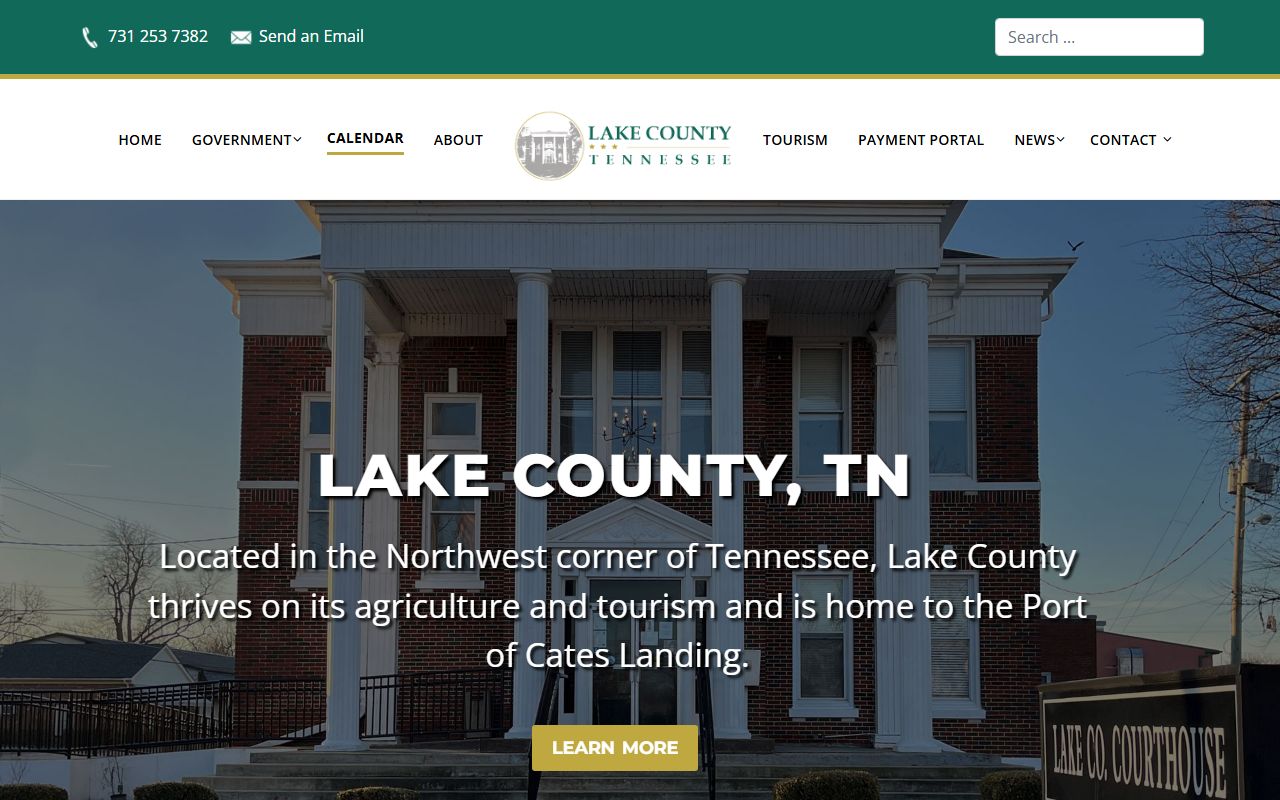
The image above comes from the official Lake County government source and matches the trustee office that handles the county tax side of the record trail. It is the right office to check first when a Lake County tax bill, credit, or payment history may help explain a state unclaimed property match.
Lake County Unclaimed Money Search Steps
Begin with the state portal at the Tennessee unclaimed property portal and search by a last name or business name. If you know the first name, include it too. The portal shows exact matches first, then similar names. That is important when Lake County records use initials, short names, or older spellings that do not match the way the owner now signs documents. A good first search usually starts broad and gets narrower as you add details.
Do not rely on one result alone. Compare the state record with the county tax file, the clerk file, and any commission note that matters. A trustee record can show a parcel or tax year. A clerk record can show a marriage or business filing that explains a name change. A commission minute can show a local action that helps place the record in time. When those items line up, the claim is much easier to support.
When you think you have the right match, keep the folder small and clean. Save the search result, the claim number, and the county copies that prove the connection. If the owner is dead, add the death certificate and the heir documents. The state process does not need a thick pile of paper. It needs enough proof to show why the property belongs to you or the estate you represent.
- Search by last name, then add a first name or property ID.
- Check older addresses and name variations against county files.
- Use the clerk record if a marriage or business filing explains the match.
- Keep every claim number and copy request in one place.
If the first search does not work, try a former county, an older surname, or a business alias. That second pass often finds the right result faster than a long search with the wrong name format. The county record is there to help you read the state result, not to replace it.
Tennessee Unclaimed Money Rules for Lake County
Lake County follows the same Tennessee unclaimed property rules that apply across the state. The MTAS reporting guide at Tennessee unclaimed property reporting guidance explains that holders must report abandoned property to the Treasury by November 1 each year and that the act covers the full Tennessee Unclaimed Property Act. That report schedule matters because it explains why older county records may still matter after the property has already moved to the state.
The notice rule in T.C.A. § 66-29-130 requires a searchable public database and public notice. That is the legal basis for the ClaimItTN search and the reason a property owner can still look for money years later. In practical terms, it means Lake County residents should use the state database first, then use county records to supply the proof that the Treasury may need before payment is made.
The Tennessee Treasury page at the Unclaimed Property Division confirms the search is free and that claim filing does not cost anything when a match is found. Tennessee is a custodial state, so the money stays claimable by the owner or heirs. That is especially helpful in Lake County, where a tax bill, a clerk record, or a commission minute may be old but still relevant to a current claim.
If a claim is denied, the appeal path is written into T.C.A. § 66-29-155. A claimant has one year to bring an action in Davidson County Chancery Court. That deadline is not something to ignore if your Lake County file stalls. Save the records, keep the claim number, and move quickly if the Treasury asks for more proof or issues a denial.
Lake County Unclaimed Money Records That Prove Ownership
Strong ownership proof often comes from county records that look simple at first glance. A tax payment can show where the owner lived. A business license can show the old company name. A marriage license can explain a surname change. In Lake County, the trustee and clerk records do that kind of work every day, and the county commission minutes can add the final detail if a local action or tax item needs context.
The Tennessee Trustee Association is useful here because it shows how county trustees handle tax search and payment tools. Lake County taxpayers can use that framework to understand how tax records fit into the broader state claim process. If the property looks like a tax credit, refund, or overpayment, the trustee record is often the best local document to start with.
Lake County monthly financial statements are worth checking when the trail involves county funds or a payment that moved through the trustee office. Those statements may not be the final proof by themselves, but they can confirm that the county was handling the money at the right time. When combined with a clerk record or a tax bill, they can strengthen the claim enough to matter.
Think in layers. The first layer is the state search. The second is the county record. The third is the proof that connects the two. That layered approach keeps the file focused and makes it much easier to explain why the claim belongs to you. It also keeps you from sending in unnecessary paperwork.