
Search Warren County Unclaimed Money
Warren County unclaimed money searches work best when you start with the Tennessee Treasury and then compare the result with McMinnville records that show the local trail. The county trustee and county clerk hold different pieces of the story, so one office may show a tax payment while the other shows a marriage, title, or business record that makes the state file easier to read. That local detail matters when the first result is close but not exact. If you are checking for a refund, a dormant account, or heir property, keep the county name, old addresses, and name changes together from the start so the right record stands out.
Warren County Quick Facts
Warren County Unclaimed Money Basics
The first search is free through ClaimItTN.gov, the Tennessee Department of Treasury portal for missing money. The state explains that unclaimed property can include checking accounts, savings accounts, refunds, payroll checks, trust distributions, and other funds that a holder could not return to the owner. The direct search screen at the Tennessee unclaimed property portal lets you search by last name, business name, first name, or property ID. That helps when a Warren County record uses a former surname, an old business name, or a middle initial that does not match the way the owner signs now.
McMinnville is the county seat, and that helps explain why so many local records still point back to the courthouse. A tax bill can show where the owner lived. A marriage record can explain a surname change. A business filing can explain why a claim appears under a company name instead of an individual. Those simple records can do a lot of work when a state search result is close but not exact. Keep the local record and the state result in the same folder, and the connection is easier to see. For Warren County, it also helps to keep the property address and the courthouse office together when the record trail is thin.
The Tennessee Treasury also makes a key point clear. Searching is free, and filing a claim is free when the property matches. That means your real task is proof, not payment. If the owner moved often, used more than one name, or handled money through a small business, write down every version before you search again. A careful search now can save a lot of time later. It also keeps you from missing the county document that proves the link.
Warren County Trustee and Clerk Records
The official county site at Warren County Government lists Steve S. Rhea as trustee. The office is at the Warren County Courthouse in McMinnville, the phone is 931-473-2329, and property tax is collected for Warren County. Tax bills are mailed annually, they are due at the end of February, and delinquent taxes can collect interest. The office also handles the annual tax sale and tax relief programs for eligible residents. In an unclaimed money search, that tax history can show where a person lived and whether a county payment trail exists.
The trustee office also uses the Tennessee Trustee portal for online payment. That matters when you need to check whether a tax credit, a refund, or an overpayment may still be visible in the county trail. A Warren County property record can be the best way to connect a state match to a specific parcel or mailing address. If the owner moved often or handled tax matters through a family member, the trustee file can still help you line up the right name and time period. Delinquent interest is another clue that the tax side of the record is active enough to be useful.
The county clerk is Traci D. Crosslin, and the same county site lists the clerk phone as 931-473-2386. The clerk handles vehicle registration, marriage licenses, business licenses, and official county records. The office hours are Monday through Friday from 8:00 am to 4:30 pm. Those records can matter when a local action, a name change, or a business filing helps you identify the right claimant. If a state result looks familiar but incomplete, the clerk file often fills the missing part of the story.
The county clerk records are useful because they can connect one person to more than one role. A marriage license can explain a surname change. A business filing can explain a company name. A title or renewal record can show an address. In Warren County unclaimed money cases, that kind of local record often fills the gap better than a second state search alone.
The image below comes from the official Warren County government source at Warren County Government and matches the trustee office that handles the county tax side of the record trail.
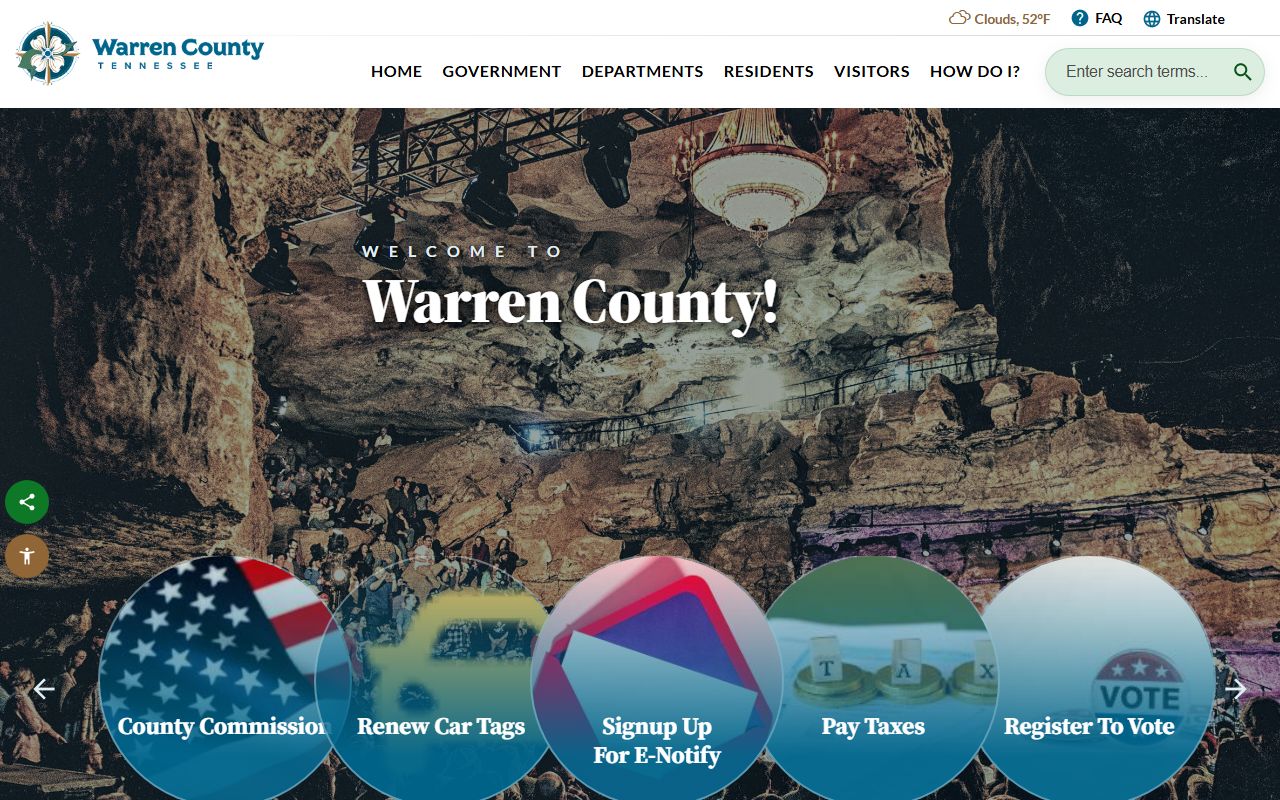
That image keeps the page tied to the county’s official source. The trustee office is still the local place to check when a tax bill, a refund, or a delinquent account may help explain a state unclaimed property match.
Warren County Unclaimed Money Search Steps
After you gather the local names and dates, go back to the state portal and search again. The direct search screen at the Tennessee unclaimed property portal works best when you begin with a last name or business name. If you know a first name, add it too. Exact matches appear first, and similar names follow. That order matters when Warren County records use an older spelling, a nickname, or a business style that no longer matches the current filing.
If the result seems close but not exact, compare it with the county tax record or clerk record. A trustee bill can show the same address that appears in the Treasury file. A marriage record can explain a name change. A business license can show why the state lists the owner by a company name instead of an individual. The goal is to line up the local record with the state record until the claim makes sense on paper.
Do not build a giant folder unless you need it. The Treasury usually needs enough proof to show the connection, not every paper ever filed. Keep the search result, the claim number, the county copies, and any heir papers together. If the owner is deceased, add the documents that show who may claim on the estate’s behalf. Small, clean files are easier to review and easier to explain.
Warren County also gives you a useful state-level reference through the Tennessee Trustee Association at tennesseetrustee.org. That resource helps explain how county trustees handle tax search and payment tools. In a county where tax bills, tax sales, and tax relief all flow through the trustee office, that context helps you understand how the local record connects to the state claim system.
- Search by last name, then add a first name or property ID if needed.
- Compare the Treasury result with county tax and clerk records.
- Keep old addresses, marriage changes, and business names together.
- Save the claim number and any copy request receipts in one place.
Once the local papers are lined up, move back to the Treasury record and check whether the address, the county, and the owner name all point to the same person. The most useful claims are usually the ones that can be read straight through without a lot of guessing. That is especially true when a county record has an old address or a former surname that now looks unfamiliar.
Tennessee Unclaimed Property Rules for Warren County
Tennessee treats unclaimed property as custodial property, which means the owner or heirs can claim it later. The MTAS reporting guide at Tennessee unclaimed property reporting guidance says holders must file annual reports with the Tennessee Department of Treasury by November 1, and it ties the process to the Tennessee Unclaimed Property Act. That rule matters in Warren County because it explains why an old county tax bill or business filing can still support a current claim.
The notice rule in T.C.A. § 66-29-130 requires a searchable public database and notice to apparent owners when possible. That is the legal basis for the ClaimItTN portal and the reason the state keeps the search open to the public. For Warren County residents, the process is simple in concept. Search the state first, then use county records to prove the connection and support the filing.
The Tennessee Treasury page at the Unclaimed Property Division confirms that searching is free and that claim filing does not cost anything when the record matches. If a claim is denied, T.C.A. § 66-29-155 gives the claimant one year to begin an action in Davidson County Chancery Court. That deadline matters if a Warren County claim stalls, so keep the paperwork together and act quickly if the Treasury asks for more proof.
The Tennessee Trustee Association at tennesseetrustee.org is another useful county-level resource because it explains how county trustees handle tax search and payment tools. In a county where tax bills, tax sales, and tax relief all flow through the trustee office, that context helps you understand how the local record connects to the state claim system.
Warren County Records That Prove Ownership
Good claims depend on records that line up cleanly. In Warren County, that usually means a tax bill, a marriage record, a business filing, or an official county record that connects a person to a place and a time. The trustee file can show the tax side. The clerk file can show the name side. Together, they can show why the state lists a claim under the name you are using now.
The county clerk records are especially useful because they can connect a person to a marriage, a business registration, or a vehicle filing. If a claimant changed names, married, or ran a business through a different legal name, those records can explain the mismatch. That is often the missing detail when a Treasury search shows the right general family but not the exact line you expected.
Do the same with tax history. A county tax bill can show a property address or a payment pattern that matches the state file. A delinquent record can also show whether a county payment was ever tied to a parcel. Those paper clues are not glamorous, but they are often what make a claim review go smoothly.
Use the county records as proof, not as a replacement for the state search. The Treasury still controls the official claim process, but Warren County files can make the result easier to understand and easier to support. When the local and state records match, the claim is in much better shape.